Outside Skirt Forecasts Diverge at Record High Prices

Published: May 12, 2026
Outside skirt prices have surged to all-time highs, but DecisionNext models are sharply divided on whether the rally can continue through the second half of the year.
Outside skirt prices have climbed relentlessly through the first five months of 2026, supported by historically tight cattle supplies and continued strength across high-value beef cuts. With grilling demand ramping into the summer and beef markets broadly elevated, the current rally appears fundamentally justified.
Recent price action highlights just how extreme the move has become:
- Outside skirt reached $1,260/cwt for the week of April 26 — the highest price ever recorded in the series.
- Prices have climbed more than $400/cwt since early January, rising from roughly $818/cwt without a meaningful pullback.
- Current prices sit roughly 52% above the same week last year ($821/cwt), underscoring the severity of the rally.
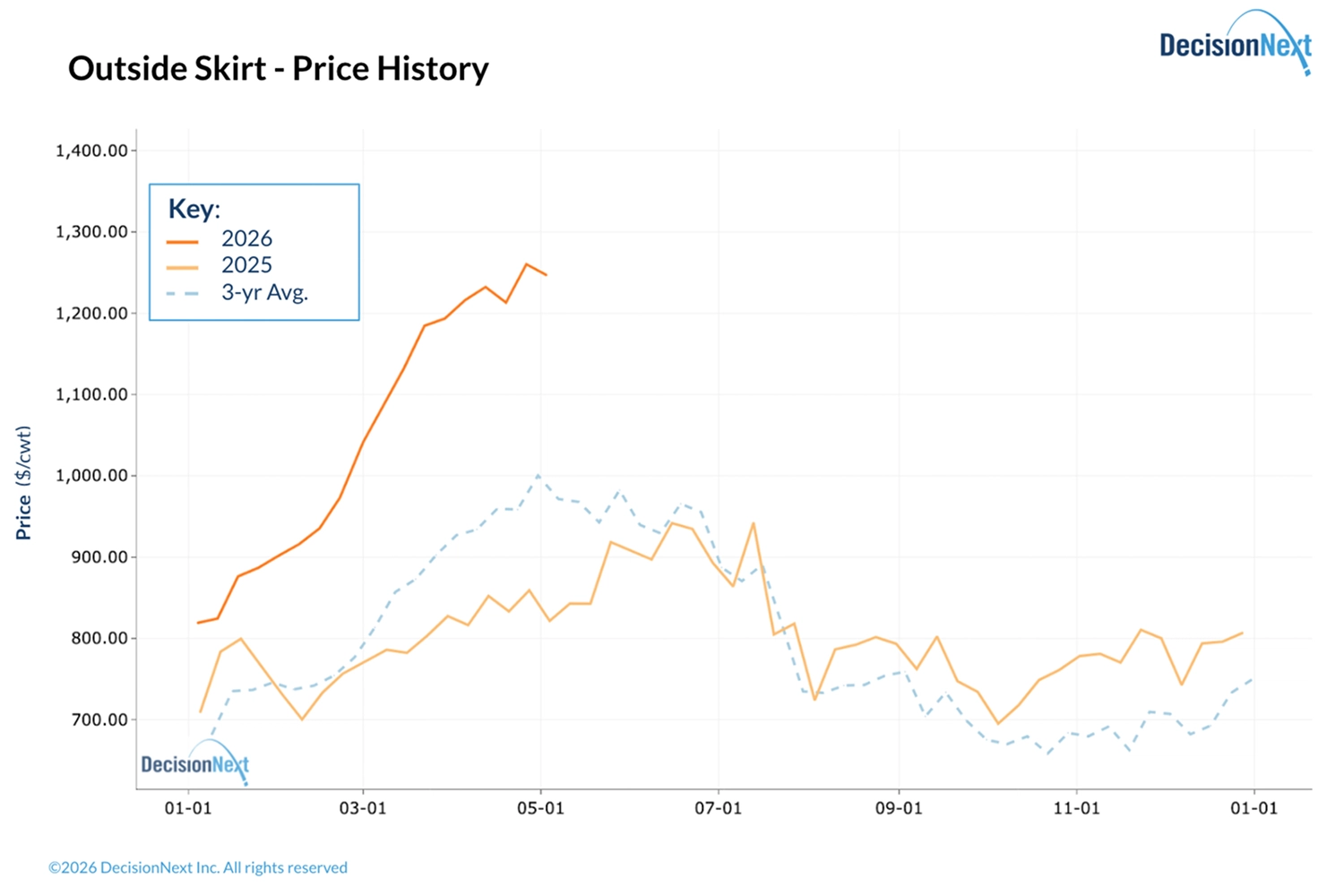
Figure 1 – Outside skirts are up $400/cwt since Jan 1 reaching all time highs the last week of April.
However, DecisionNext forecasts are increasingly divided on whether current price levels can hold through the summer and into the fall.
The CME model remains constructive through the early summer months, pushing prices even higher into the July 4th period before peaking near $1,386/cwt in early July. While the forecast eventually softens into the fall, CME still holds near $1,000/cwt into the first week of November, suggesting the market retains meaningful structural support even after seasonal demand begins to fade.
The Machine Learning model tells a very different story.
ML forecasts a steady and significant decline over the next six months, falling toward $747/cwt by late October. At first glance, that outlook feels difficult to reconcile with a market currently trading at record highs.
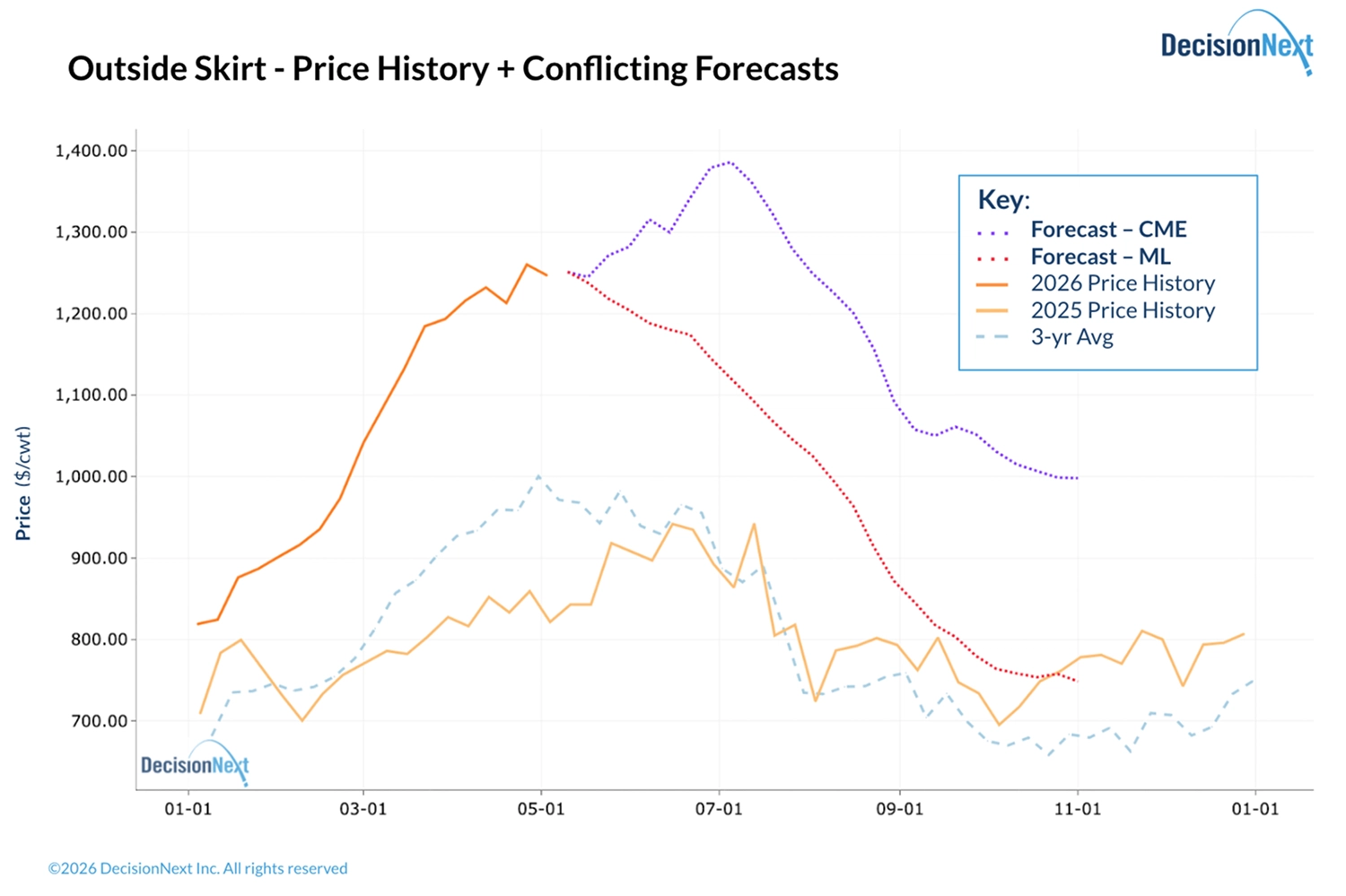
Figure 2 – The CME and Machine Learning forecasts show divergent forecasts going into the summer months.
Still, the divergence between models raises an important question: are current outside skirt prices being supported by durable structural tightness, or has the market become increasingly vulnerable to demand normalization later this year?
The forecasts do not guarantee a dramatic correction. But when two models begin signaling materially different outcomes from prevailing market momentum, the divergence deserves attention.
Counterintuitive forecasts are often the most valuable—not because they are guaranteed to be right, but because they force analysts to revisit assumptions the broader market may already take for granted.