Fresh 50s Forecasts Challenge Seasonal Expectations

Published: May 12, 2026
Fresh 50s forecasts are signaling downside risk despite historically tight cattle supplies. Here’s how analysts can evaluate whether a counterintuitive forecast deserves attention.
Fresh 50s typically strengthen into the summer, supported by reliable seasonal demand patterns. Combined with historically tight cattle supplies, the market would normally appear positioned for continued price strength.
Figure one illustrates the reliable seasonal pattern and underlying strength of the beef 50s market:
- In 2025, 50s climbed from $111/cwt in the first week of May to a peak of $262/cwt in mid-July — a 136% increase.
- The three-year average shows 50s rising from $124/cwt in early May to roughly $188/cwt by mid-July.
- Through the first five months of 2026, fresh 50s have generally traded $25–$50/cwt above year-ago levels, reinforcing how historically tight cattle supplies continue supporting the market.
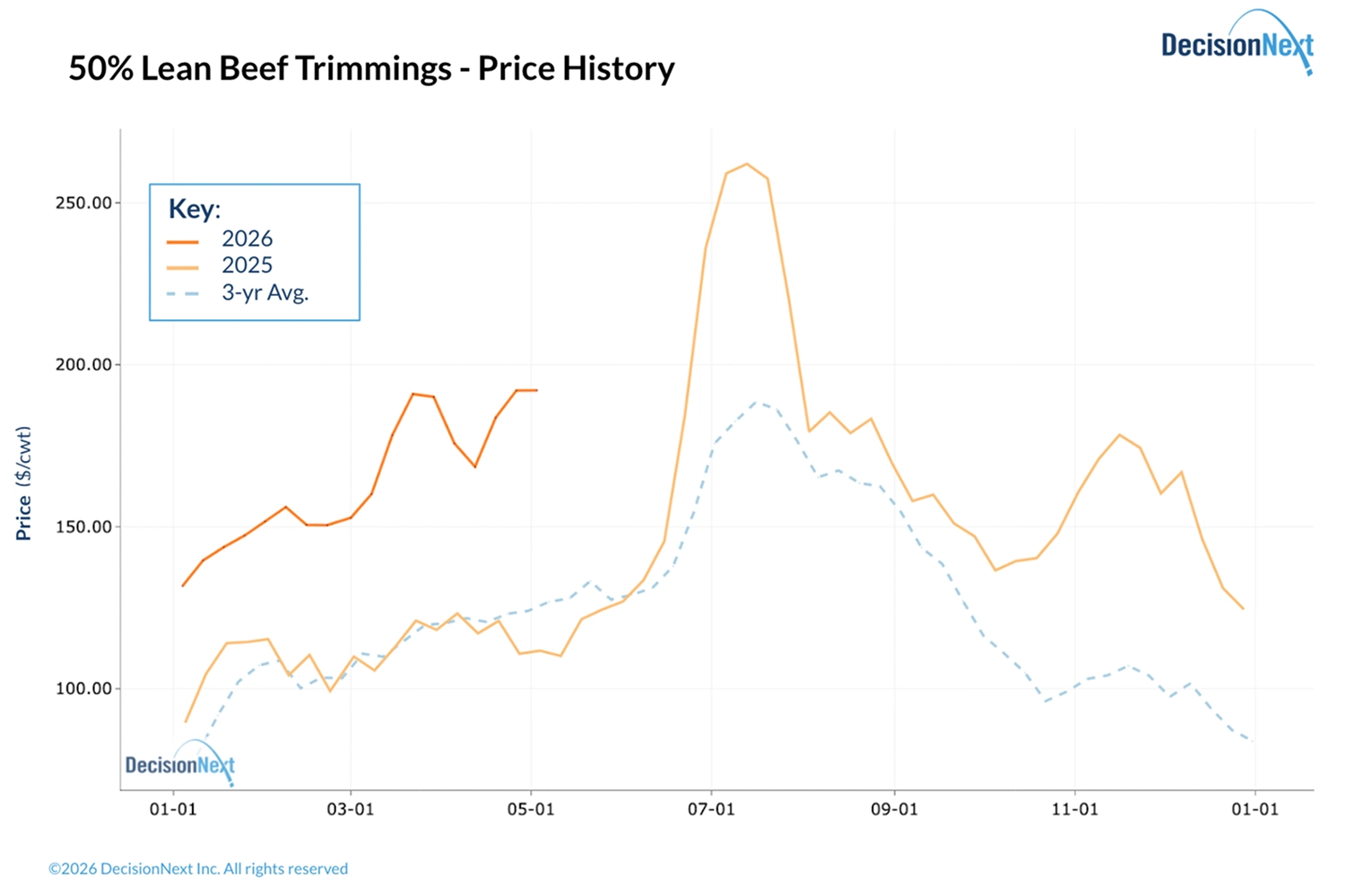
Figure 1 - 50% lean beef trimmings have traded 25-$50/cwt above year ago levels through the first five months of the year.
However, recent DecisionNext forecasts signaling materially softer pricing later this summer stand in sharp contrast to both seasonal expectations and broader cattle fundamentals (Fig. 2).
At first glance, the outlook feels difficult to reconcile with a market still supported by historically tight supplies. Yet both Machine Learning and Cutout models are independently signaling meaningful downside risk for fresh 50s later this summer.
While our economists believe a collapse into sub-$1 territory remains unlikely, the forecast raises an important question: could the market be overestimating how much tight cattle supplies alone can support fresh 50s pricing?
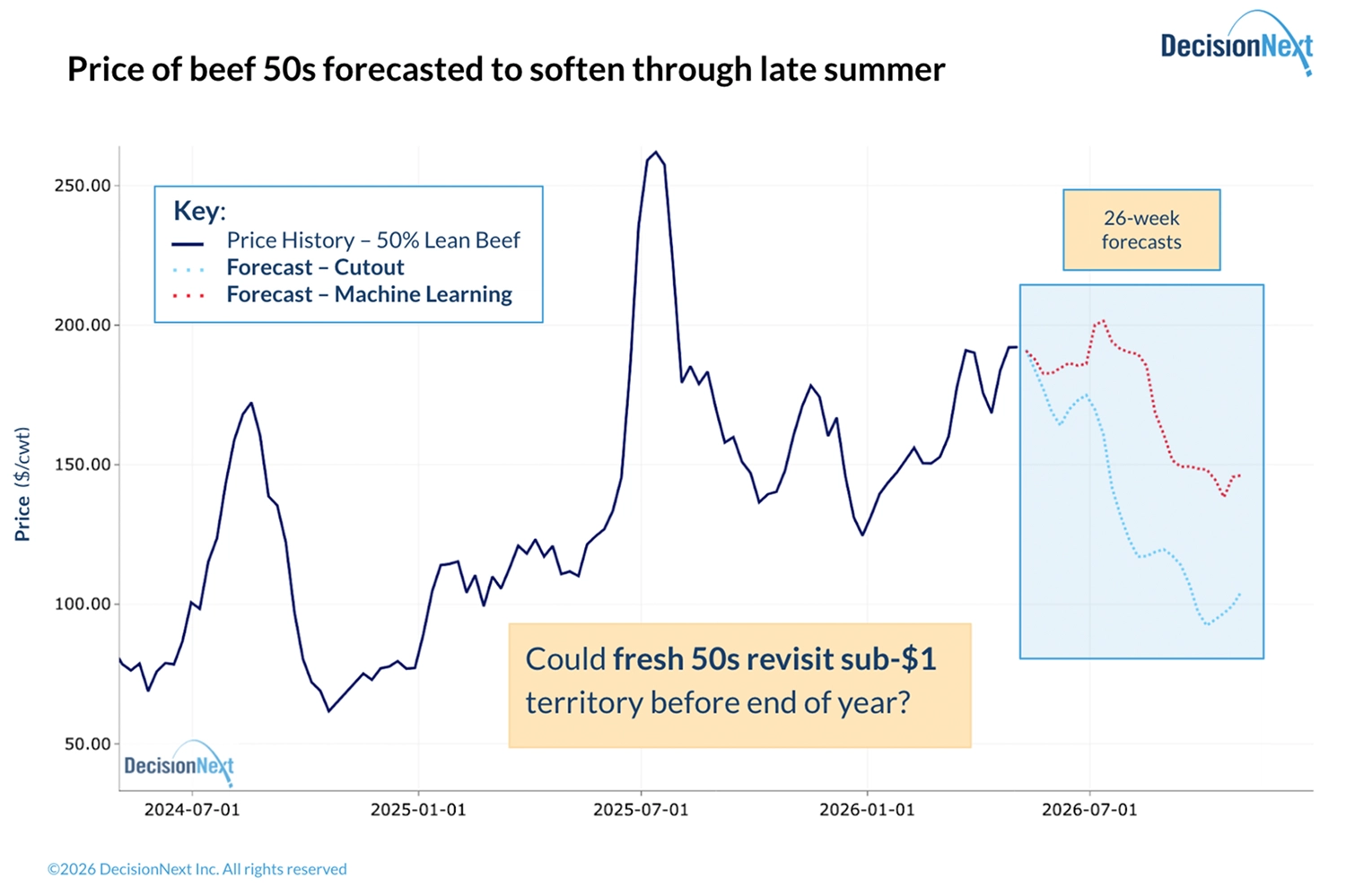
Figure 2 – Price of beef 50s forecasted to soften through late summer.
The forecast does not guarantee a dramatic market correction. But when multiple models begin challenging your market assumptions, the signal deserves attention. These forecasts high further evaluation toward looking into what might be going on in the spot market in terms of volume. Changes in formula and forward volume in the 50s market can dramatically change the outlook of any forecast, and tracking these as part of a more thorough process to understanding the 50s market moves teams beyond following the market, to leading it.
Counterintuitive forecasts are often the most valuable—not because they are guaranteed to be right, but because they force analysts to revisit assumptions the broader market may already take for granted.