U.S. Lean Trim Market: The Fresh and Frozen, Imperfect Substitutes

Published: September 26, 2026
Why a tariff-free import window is unlikely to move domestic fresh prices much
On August 26 the administration opened a 90-day window starting September 1 for 300,000 ton of tariff-free lean beef trim. The impact of this tariff relief is most likely to impact trade from South America, as other large importing countries, such as Australia already enter duty-free. It is meant to bring down the price of beef, and ranchers are not happy, convinced the imports will undercut them. Our reading of the data is that imports have less effect on domestic wholesale prices than one might assume.
The tariff relief is expected to have minimal effect on wholesale domestic trim because domestic and imported trim are imperfect substitutes, and the window is too short for firms to meaningfully shift their supply chains.
Three findings support this perspective. First, domestic fresh prices are influenced largely by the U.S. cow slaughter rather than by imports. Second, imports rose 59% over three years as domestic trim supply fell, leading to a widening spread between domestic fresh and import values. The added frozen supply did not replace the missing fresh supply. Third, the window is short, and the main constraint is not how much frozen trim is available but how many buyers can use it.
The domestic fresh and the frozen imports prices
Domestic fresh lean trim comes mostly from breeding and dairy cows slaughtered in the U.S. Imported lean volumes come primarily from Australia, New Zealand, and South America.
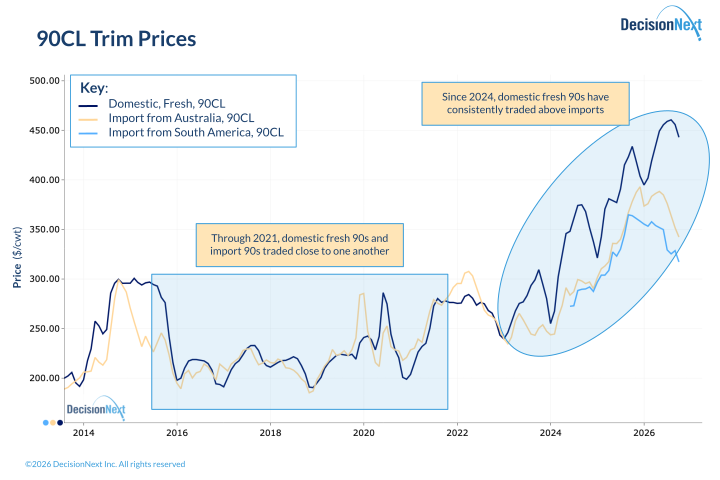
Figure 1 - Fresh and imported 90s are highly correlated, tracking closely over time with a correlation value of 0.90.
See in Figure 1, the relationship between domestic fresh and import trim values. They have mostly risen and fallen together through most of the last decade, as both serve similar end uses and respond to the same broad forces of global lean beef demand and cost inflation. They are competitors on the world market for each other. Through 2021 the spread averaged about $5/cwt, often swinging in both directions, and neither source holding a lasting premium.
But they do not move perfectly together, and since 2024, when the U.S. cow supply materially declined, they have separated significantly. This year, domestic fresh climbed to records near $463/cwt in July while imported trim stayed well below. As of mid-September, domestic fresh has declined to about $408/cwt, with Australian trim near $341/cwt and South American near $311/cwt.
The spread and its seasonal pattern
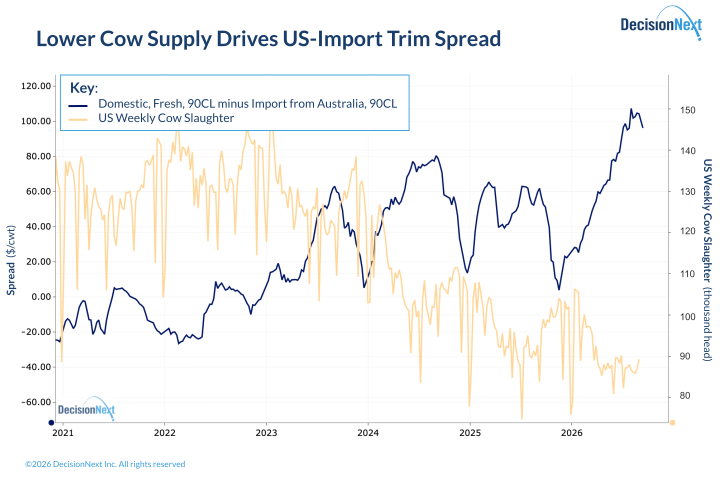
Figure 2 - The spread between fresh and imported trim increases as domestic cow slaughter decreases.
The presence of a spread between the domestic and import trim values, shown in Figure 2, is meaningful because it highlights the limits of arbitrage opportunities from imports, and the frictions in firms switching from domestic fresh to imports. If imports were perfectly interchangeable, then wholesale buyers would be indifferent between the two supplies, and the price would converge toward each other in fairly short time periods. However, we do not see that in the data. Import values meaningfully diverge from domestic values.
In addition to the presence of a spread, consider how it changes over time. The spread between U.S fresh and import 90% lean trim, has moved from below zero to above $100/cwt and reached its widest on record this summer. Also in figure 2, is the U.S. cow slaughter numbers every week. Note the seasonal pattern in both of these series, the trim spread peaks (when the domestic fresh supplies are comparatively most expensive) in midsummer, when cow slaughter bottoms. The spread then narrows through the fall cull run as cows come to market. Month to month, the spread and cow slaughter move in opposite directions, with a correlation of about −0.8. Domestic U.S. trim gets comparatively more expensive when the U.S. cow supply declines.
Domestic lean trim available from cow slaughter has fallen roughly 29% since 2022, as drought and herd liquidation gave way to a cow herd at multi-decade lows. Weekly cow slaughter has lately run near 92,600 head, against averages well above 120,000 earlier in the decade. Over the same period, U.S. beef imports rose about 59%.
The domestic fresh and the frozen imports supplies
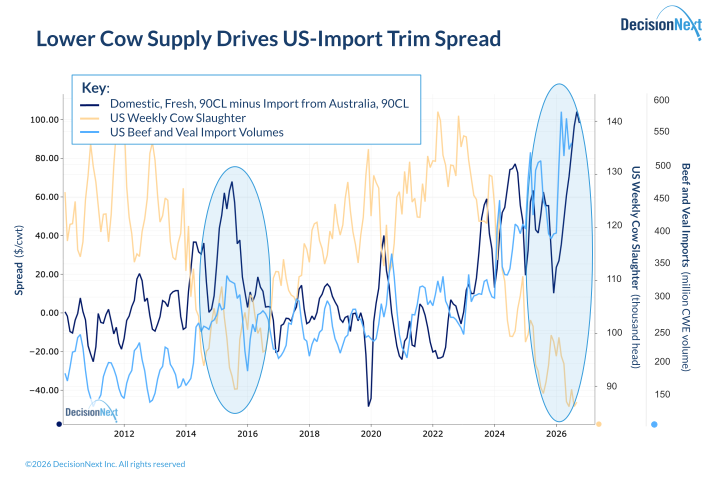
Imports have been filling a shortfall rather than perfectly displacing domestic products. In Figure 3, we see the increase in import volume is matching the timing of the increase in the spread between domestic and import values. This is because while imports are increasingly being used in the U.S. beef supply chain, the values are also following their own supply and demand dynamics, and the growth of import volume is outpacing demand. The increasing volume of imports and a widening discount to domestic supplies suggests that while the world market is offering supplies, not every grinder or patty maker in the U.S. is adopting this volume.
For example, the domestic value of 90% lean trim increased by 7.7% from November 2025 to September 2026, meanwhile, import values fell by 13.7% over that same time period. It is not that import volumes are not impacting domestic values, it is that changes in the supply chain for processing and grinders takes time, and a 90 day reprieve from tariffs in one country will help those that are already swapping in imported trim. Accordingly, it is most likely any changes in domestic 90% lean trim will be due to changes in domestic supply and domestic demand more than than temporary changes to trade policy.
What to expect over the next 90 days
As imports take more U.S. beef share, domestic trim prices mainly depend on domestic supply and demand. Seasonal increases in cow supply will likely lower fresh trim values through the end of the year. Additionally, the shift from summer grilling to the holiday season is expected to reduce trim demand, leading to lower trim and grind prices through the end of 2026.
The allowance of 300,000 metric tons following the tariff repeal could result in about a two-thirds rise in U.S. beef imports if fully realized, which might lead to lower beef prices. Nonetheless, import values are expected to drop more than domestic fresh beef prices. As previously mentioned, increased import volumes usually have a significant effect on the price gap between domestic and imported beef because domestic and import demand patterns differ. While some grinders and processors can benefit from cheaper imports, others cannot, so greater import supply will lower import costs overall. The actual decrease in domestic prices will depend on how many firms currently not using imports can switch to the new supply—an option likely limited within the 90-day timeframe.
One thing this policy does, however, is raise the possibility of a political ceiling on beef prices, which could signal to processors and grinders who were reluctant to switch before that favorable trade policies toward imports may be forthcoming. Thus, given this spread and favorable consumer policies, the costs associated with switching suppliers and supply chains may now be worth it. Accordingly, we forecast the spread to long-term narrow as firms see the price advantages from imports as too good to pass up.
Overall, the consumer is likely to benefit from this tariff repeal as most consumers are unaware of the origins of beef supply, and higher supply should lower average wholesale prices. The big question though is, how much of the wholesale discount from cheaper import supplies will pass through to the end consumer.
For ranchers, the longer-term variable that matters most is the size and productivity of the domestic herd. A 90-day import window does not change that supply base. The executive orders signed September 4, aimed at rebuilding the herd through heifer-retention incentives, more grazing land, predator relief and stronger processing competition, are directed at the actual constraint. But they work over years, and herd rebuilding initially reduces slaughter further as producers retain heifers, which would tighten domestic trim before it loosens.
Four things are worth watching. Cow slaughter remains the primary driver of domestic lean availability, and its typical fall increase will pull domestic fresh down regardless of trade policy. The fresh-to-imported spread, measured against the same weeks last year rather than the summer peak, is the clearest read on how much buyers are substituting. Import volumes will show whether the window is being used at all. And imported trim prices are where added supply should appear first.